Hilarious: Kalshi Distances Itself from Gambling
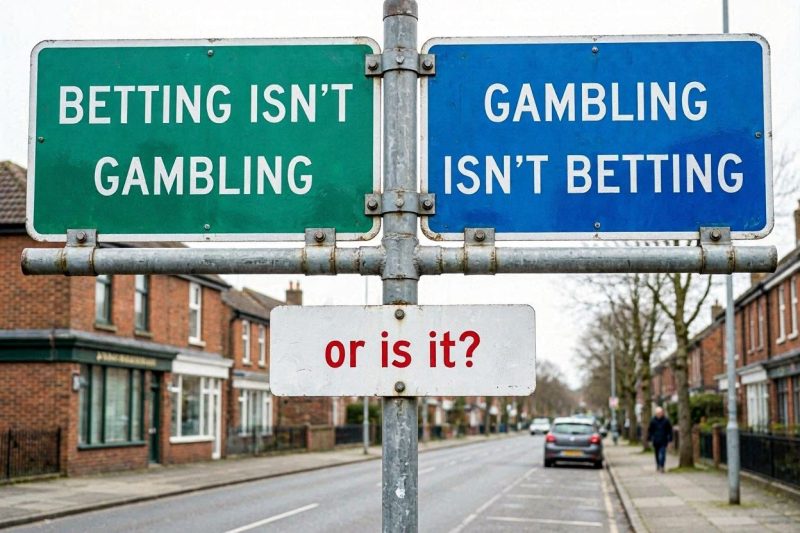

A revolutionary discovery: bets are not bets if you rename them. Spoiler – they are.
Humanity’s long struggle against definitions reached a major breakthrough this week after prediction-market operator Kalshi once again clarified that it is absolutely, positively, definitely not a gambling company.
This may come as a surprise to outsiders who have observed people risking money on uncertain future outcomes in hopes of winning more money. Traditionally, this activity has been known as “betting.”
Online Casinos that don’t Distance Themselves from Gambling


However, according to the increasingly sophisticated vocabulary of modern finance, it can also be called a “prediction market,” an “event contract exchange,” or, in particularly severe cases, “financial innovation.”
Under this framework, placing $100 on whether Donald Trump wins an election is not gambling. It is participating in the democratic process. Likewise, wagering on inflation figures is not betting. It is macroeconomic engagement.
The distinction may seem subtle to ordinary citizens. Fortunately, lawyers are available to explain it at great expense.
Same same, but Different
Kalshi and its chief rival, Polymarket, have spent plenty of time trying to explain that they are fundamentally different from sportsbooks and casinos.
Sportsbooks allow customers to risk money on uncertain outcomes.
Prediction markets allow customers to risk money on uncertain outcomes.
The difference, industry representatives explain, is that one of these activities is called “betting on real live events,” while the other is called “price discovery.”
Observers have occasionally struggled with this distinction. Regulators in several jurisdictions have questioned whether prediction markets are merely sportsbooks wearing fake glasses and introducing themselves as “the financial sector.”
Industry advocates insist the comparison is unfair. Sportsbooks let users bet on who wins a football match. Prediction markets let users trade contracts on who wins a football match.
Entirely different.
Meet the Respectable People
As prediction markets have moved into the political mainstream, they have attracted a cast of advisers, investors, and personalities whose reputations inspire confidence, or at least curiosity.
Donald Trump Jr. has served as a strategic adviser to Kalshi and later joined Polymarket’s advisory orbit through investment connections.
Trump Jr. has spent years participating in a variety of business ventures that have generated lawsuits, investigations, controversies, and enough awkward headlines to fill a medium-sized archive.
While none of this appears to have discouraged either company, it does raise questions about what exactly qualifies as a symbol of institutional credibility in 2026.
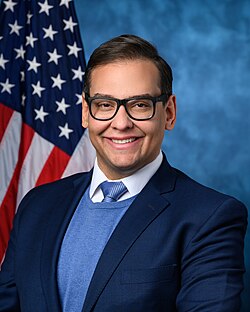
Meanwhile, George Santos briefly emerged as one of prediction markets’ more colorful participants.
Santos, readers may recall, became famous for treating biography as a creative writing exercise.
The former congressman was expelled from Congress after a long list of fraud-related allegations and later pleaded guilty to federal crimes involving fraud and identity theft.
His political career ended in disgrace, but his relationship with betting on future events appears to have remained intact.
Reports have described interactions between Santos and prediction-market platforms that ended roughly as one might expect when George Santos becomes involved in anything involving money, probabilities, or ethics compliance.
Gambling, But With More Spreadsheets
The industry’s core argument is that prediction markets serve a socially useful purpose.
According to this theory, betting on elections helps reveal information. Betting on economic indicators improves forecasting. Betting on geopolitical developments contributes to collective intelligence.
This may all be true.
It is also true that many users appear to participate for the same reason people visit casinos, sportsbooks, poker rooms, horse tracks, and office March Madness pools: because they enjoy risking money on uncertain outcomes.
The average customer reportedly remains stubbornly resistant to appreciating the finer philosophical distinctions between “placing a bet” and “providing liquidity.”
The World Cup Jackpot Approaches
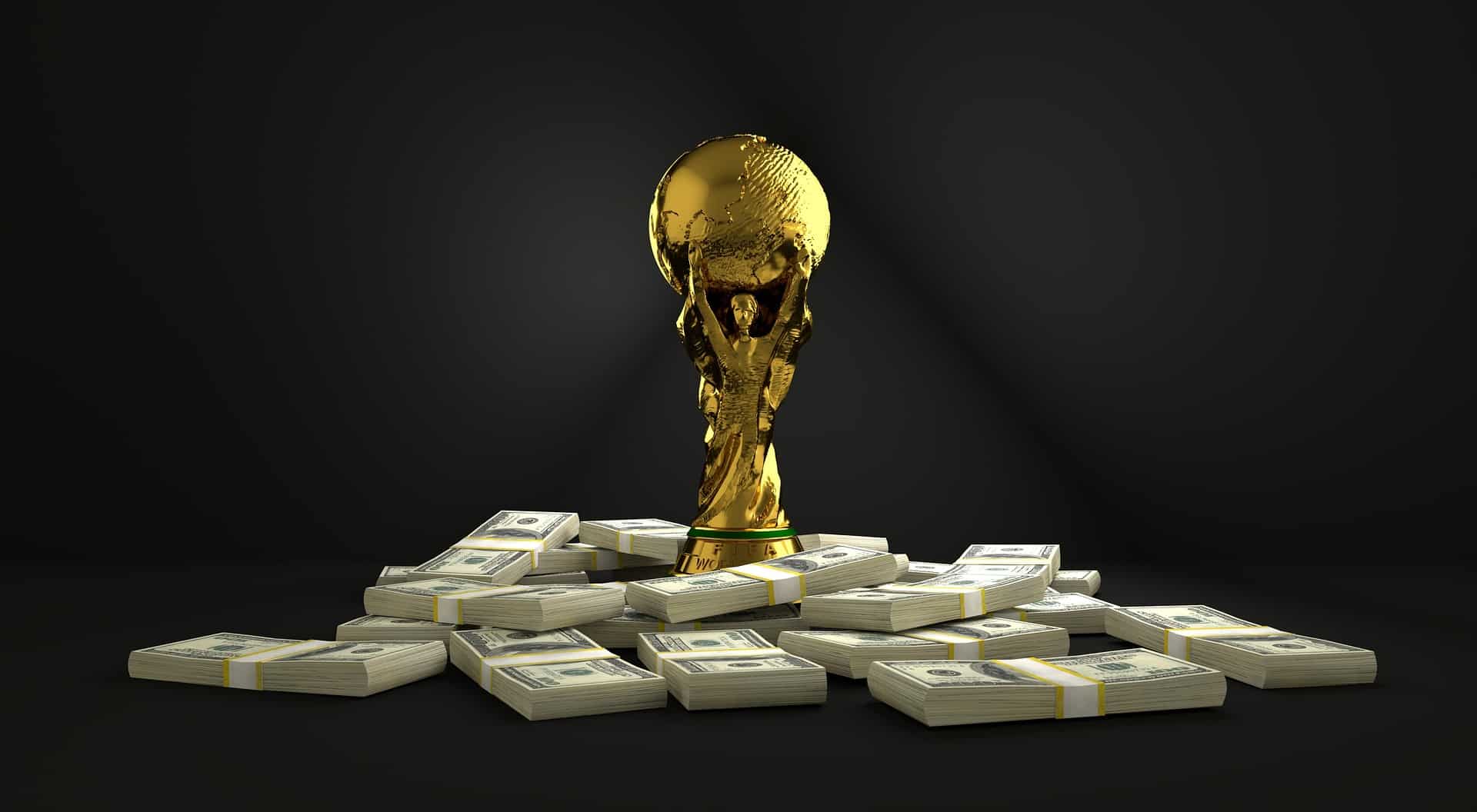
This debate is about to become considerably more entertaining.
Analysts expect the 2026 FIFA World Cup to generate the largest sports-betting volume in American history. Sportsbooks are preparing for an unprecedented flood of wagers as the tournament arrives in North America.
The obvious question is what prediction markets will do.
Will they offer contracts on which nation wins the tournament? Which player scores the most goals? Whether England once again discovers an innovative new way to disappoint itself?
Will a referee receive death threats after a controversial VAR decision?
Will another player get killed after an own goal like Escobar after the last World Cup in the US? Google Andres Escobar self-goal 1994, if you want to know more.
Or will there be dildos thrown on the pitch?
All of these possibilities seem entirely plausible.
The Great Counting Exercise
At that point, regulators may face a fascinating challenge.
If a customer risks money on Argentina to win the World Cup through a sportsbook, everyone agrees it is a sports bet.
If a customer risks money on Argentina to win the World Cup through a prediction market, industry lawyers may explain that it is actually a financial contract providing valuable information to society.
The underlying activity remains remarkably similar. Money is wagered. An uncertain event occurs. Somebody wins. Somebody loses.
But somewhere between the sportsbook and the prediction exchange, the same transaction acquires a new vocabulary, a regulatory strategy, and perhaps most importantly, a better lobbyist.
For now, Kalshi and Polymarket continue insisting they are not gambling companies.
And if enough people predict that statement is true, perhaps one day it will become a market.
Wanna bet?
More Selected News
- Self-Exclusion from Casinos Can kill you Wins, too
- Bet Bizarre (11) – Columbian Influencer Drops the (Stink) Bomb
- BGaming launches seven games for the Football World Cup 2026
- Pragmatic Play Scores with Big Bass Football Bonanza
- Provider Spotlight (8) – ELK Studios
- Top Online Casinos with 300+ Free Spins Bonus
You must be logged in to post a comment.