Trump, Epstein, and their Special Casino Experience
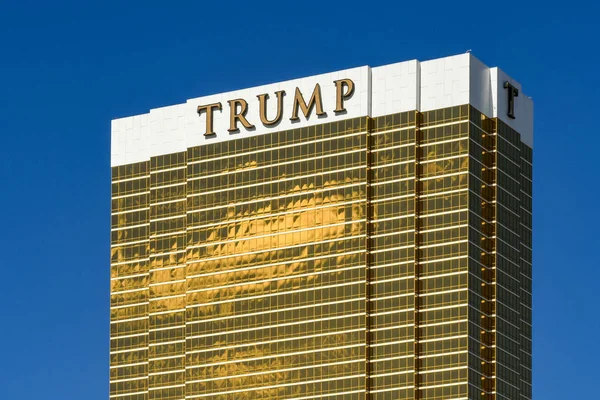

For decades, the names Trump, Epstein and casino have intersected in ways that were once dismissed as the casual overlap of wealthy men in elite social circles.
But the “Epstein files” combined with on-the-record testimony from former casino executives, paint a more detailed picture of how Donald Trump and Jeffrey Epstein appeared together inside regulated gaming venues, what kind of treatment they received, and how their relationship functioned in those spaces.
Top Online Casinos with Betting Markets




A Social Relationship Played Out Under Neon Lights
Photographs and contemporaneous reporting have long established that Trump and Epstein socialized in the late 1980s and 1990s in New York and Palm Beach.
Less examined, until recently, is how often that relationship extended into casinos — highly regulated environments where guest lists, incident reports and VIP comps leave paper trails.
According to reporting compiled by outlets including ABC News, the two men were seen together repeatedly during the years when Trump owned casino properties in Atlantic City.
Atlantic City: Jack O’Donnell’s Account from the Gaming Floor
The most vivid casino-specific account comes from Jack O’Donnell, the former president and chief operating officer of Trump Plaza Hotel & Casino.
In a July 2025 interview reported by People and other outlets, O’Donnell recalled an incident in the 1980s in which Trump and Epstein appeared together on the casino floor accompanied by several young women.
O’Donnell said that state inspectors identified at least one woman as 19 years old — below New Jersey’s legal gambling age of 21 at the time.
According to his account, he confronted Trump directly, warning him that bringing underage individuals onto the gaming floor could trigger regulatory scrutiny and fines.
Casinos in Atlantic City operate under strict oversight, and admitting underage patrons to gambling areas can result in significant penalties.
O’Donnell’s recollection is testimonial rather than documentary evidence; no publicly released incident report from that specific evening has surfaced.
However, his position as a top executive inside Trump’s casino operation gives weight to his description of how the event unfolded.
The White House has denied allegations that Trump knowingly brought underage individuals onto casino floors.
The Atlantic City episode, if accurately recalled, illustrates the tension between celebrity ownership and gaming regulation.
In a casino, status does not erase compliance obligations. That an executive felt compelled to warn his boss underscores how unusual or risky the situation appeared from a regulatory standpoint.
The Epstein Files and Las Vegas VIP Treatment
While Atlantic City relies on memory and testimony, Las Vegas is documented in emails.
Newly released Justice Department materials — widely referred to as the Epstein files — include internal communications from casino staff in Las Vegas detailing the special hospitality arranged for Epstein during a 2013 trip.
According to reporting by the Las Vegas Review-Journal, staff coordinated multiple hotel rooms, high-end dining reservations, show tickets and other VIP services.
The emails describe guest-services teams working to ensure Epstein’s stay was seamless.
Arrangements reportedly included dinner at upscale restaurants, preferred seating at entertainment venues and concierge handling typical of high-roller or celebrity guests.
In casino operations, such treatment is known as “comping” — providing complimentary rooms, meals or entertainment to valued patrons.
What makes the 2013 Las Vegas trip striking is its timing. Epstein had already pleaded guilty in 2008 to state prostitution charges in Florida involving a minor.
Yet internal hospitality notes show no overt resistance to hosting him. Instead, staff discussed logistics: room blocks, billing, and ensuring the weekend met expectations.
Trump and Epstein: What the Casino Appearances Suggest
There is no publicly released document showing Trump personally arranging Epstein’s Las Vegas trip in 2013.
By that time, Trump and Epstein were widely reported to have fallen out. However, earlier years show documented social proximity.
Reporting compiled by CNN in timeline form outlines how Trump once described Epstein as a “terrific guy” in a 2002 magazine quote, before later distancing himself from him.
The casino sightings described by O’Donnell fall within the earlier, friendlier period of their relationship.
Witness accounts from Atlantic City describe Trump and Epstein moving together through casino floors, accompanied by groups of young women presented socially as part of their entourage.
In casino culture, such entourages are not uncommon among high-profile gamblers. But the presence of at least one reportedly underage woman, as described by O’Donnell, would have represented a serious compliance breach.
What they played or bet that evening in Atlantic City is not detailed in public documents.
Play in the best Online Casinos and find good company
Find a complete casino overview here. Click on the casino of your choice to register.




Trump, as casino owner, would not have been gambling in the conventional sense at his own property, though appearances on the floor could carry promotional value.
Epstein’s gambling history is less documented; the Las Vegas emails focus more on hospitality arrangements than on specific gaming activity.
The more concrete documentation concerns the treatment they received: access, visibility and discretion.
Casinos are designed to cultivate valuable relationships. The Epstein files show how that machinery works — emails arranging priority reservations, staff ensuring privacy, and billing flexibility when powerful figures are involved.
Regulation, Optics and Responsibility
Casinos occupy a unique position in American business: privately operated but heavily regulated. Every guest interaction can carry compliance implications.
If underage individuals enter gaming areas, regulators can impose fines. If convicted offenders receive VIP handling, it raises questions about due diligence and reputational risk.
The Atlantic City account and the Las Vegas documentation highlight different aspects of that risk.
In Atlantic City, the issue was potential underage access and optics. In Las Vegas, the question becomes why a man with Epstein’s legal history was welcomed with red-carpet hospitality.
Neither set of documents conclusively proves coordinated wrongdoing by Trump and Epstein inside a casino. But together they demonstrate proximity and preferential treatment in environments where paper trails exist.
More Stories Selected for You
You must be logged in to post a comment.