The Real Winners of the 2026 FIFA World Cup
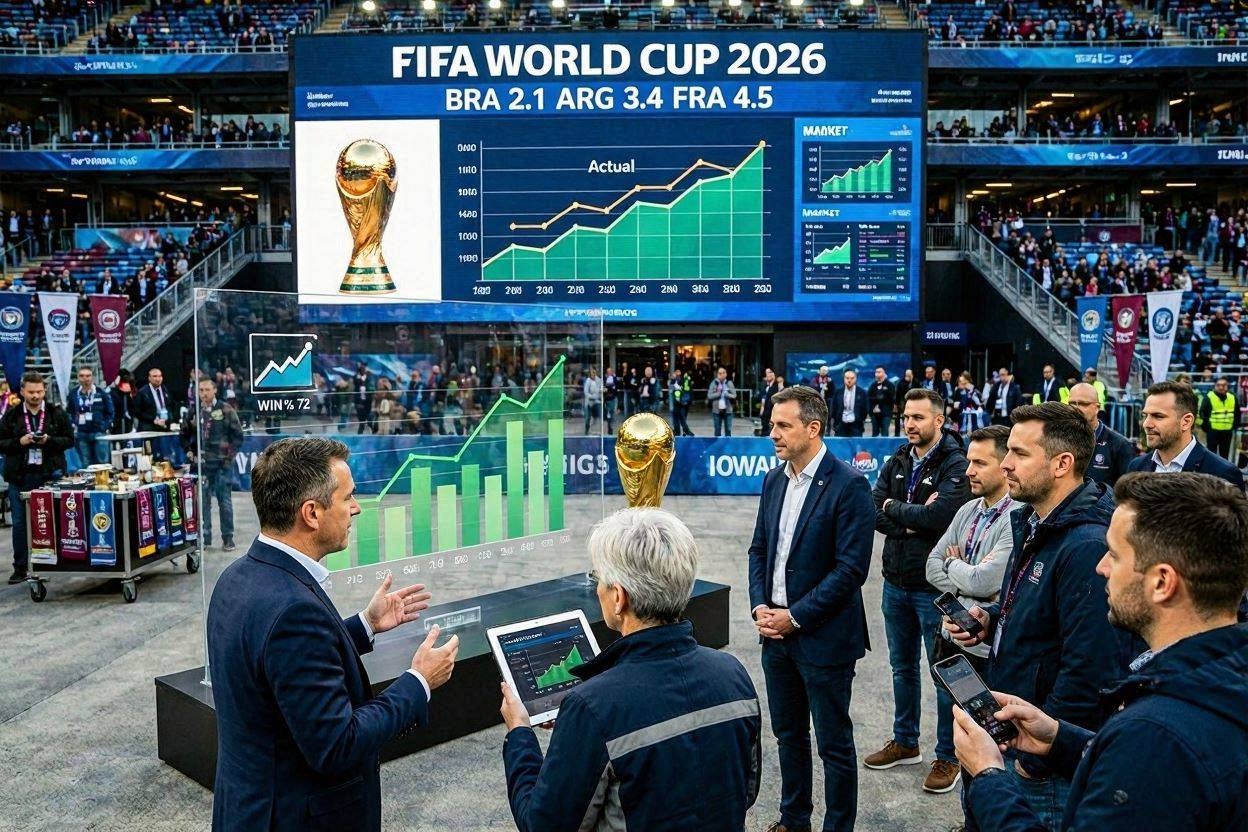

The 2026 FIFA World Cup created millions of unforgettable moments for football fans around the world – and found a worthy winner in Spain.
Players became heroes, national teams fought for glory, and supporters celebrated every goal.
But away from the pitch, another group emerged as one of the biggest winners of the tournament: prediction markets.
Platforms like Kalshi and Polymarket turned the World Cup into a giant global marketplace where users could speculate on everything from match results to individual player performances.
While traditional sportsbooks have long dominated sports betting, prediction markets have managed to create an entirely new betting ecosystem — and regulators around the world are struggling to keep up.
Top Online Casinos
Find a full review list here. Click on the images below to choose your favorite casino!

Billions Wagered on the World Cup Through Prediction Markets
The 2026 World Cup was expected to become one of the biggest betting events in history.
In the United States alone, forecasts suggested that around $3 billion would be wagered through traditional sportsbooks, while prediction markets could handle several billion dollars more.
Some estimates placed prediction market activity around $2.4 billion for the tournament.
The appeal is easy to understand.
Instead of only betting on who wins a match, prediction markets allow users to trade contracts based on yes-or-no questions:
- Will Brazil win the World Cup?
- Will a certain player score more than five goals?
- Will a team reach the quarter-finals?
- Will a specific player receive a red card?
- Will a match have more than three goals?
For many users, these markets feel less like traditional gambling and more like trading. But critics argue that the difference is mostly cosmetic.
A contract that pays out if an event happens — and loses value if it does not — still creates the same emotional and financial incentives as a traditional bet.
Europe Tries to Stop Prediction Markets
The rapid growth of prediction markets has triggered a regulatory response across Europe.
Several countries have attempted to restrict or block platforms such as Polymarket and Kalshi, arguing that many event contracts resemble gambling products rather than financial instruments.
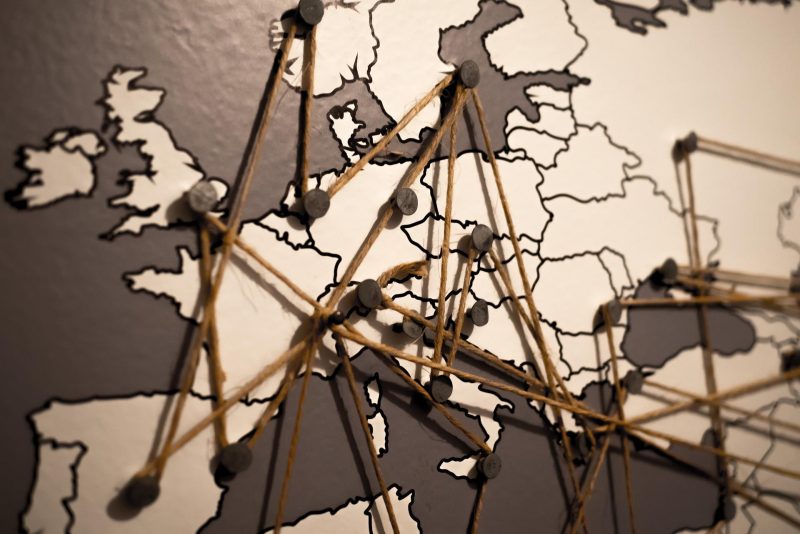
Countries taking action or examining restrictions include:
- France
- Germany
- Belgium
- Italy
- Spain
- Portugal
- Poland
- Switzerland
- the Netherlands
A group of European regulators has also increased cooperation to monitor prediction market activity, especially around major sporting events like the World Cup.
The concern is not only about football betting. Regulators are worried that prediction markets could introduce gambling-style products to users under the label of financial trading.
The European Securities and Markets Authority (ESMA) has also warned that some event contracts may fall under existing rules for financial products or gambling depending on their structure.
However, these restrictions have not stopped the industry’s growth.
Prediction Markets Are Becoming Mainstream
Despite regulatory pressure, prediction markets continue to expand.
One reason is simple: they are entertaining.
Traditional sports betting usually focuses on the final result. Prediction markets offer thousands of smaller questions that keep users engaged throughout an event.
During the World Cup, some of the most popular markets went beyond normal football predictions:
- Will a host nation reach the knockout stage?
- Which player will lead the tournament in goals?
- Which team will receive the most yellow cards?
- Will a favourite be eliminated before the semi-finals?
- Will a certain player start a specific match?
- How many goals will be scored during the entire tournament?
This creates a constant stream of possible bets and discussions — exactly the type of engagement that social media platforms reward.
From Football Stars to Marketing Machines
Prediction market companies have also understood something traditional gambling operators have known for years: celebrities sell products.
Kalshi, one of the biggest names in the industry, used football stars to promote its platform during the World Cup period.
One example was a promotional video featuring Croatian superstar Luka Modrić. The clip gained around 29 million views within a month, showing the huge marketing potential of combining prediction markets with global sports personalities.
The strategy is clear:
Prediction markets want to appear less like gambling websites and more like modern financial platforms where people simply “trade opinions.”
Critics argue this is exactly what makes them dangerous. By using athletes, influencers and financial language, prediction markets may become attractive to audiences who would not normally consider themselves gamblers.
Prediction Markets Can Influence Reality — Not Just Predict It
One of the biggest debates around prediction markets is whether they simply reflect public opinion or actively shape it.
A market with millions of dollars behind it can influence media coverage, public discussions and political narratives.
GambleBoost previously examined this issue in the article “Prediction Markets: Almost $1 Billion Wagered on Trump Saying Words“, which showed how prediction markets turned a simple question about Donald Trump’s vocabulary into a massive financial event and generated worldwide attention.
The question remains: Are prediction markets measuring reality — or helping create it?
GambleBoost Slots World Cup 2026: Competition Without Betting
While prediction markets turned football into a financial marketplace, GambleBoost created a different kind of tournament experience.
The GambleBoost Slots World Cup 2026 brings together popular slot games in a knockout tournament format, allowing players and fans to follow the competition without wagering on the outcome.
Instead of betting money on matches, the focus is on entertainment, rankings and discovering which slots can become champions.
The tournament shows that competition and excitement do not always require financial risk.
Follow the full GambleBoost Slots World Cup 2026 coverage here:
The World Cup Had Many Winners — But Prediction Markets Won Big
The 2026 World Cup will be remembered for goals, drama and unforgettable football moments – some of them the most cringeworthy ever to be witnessed in football.
But it will also be remembered as the tournament where prediction markets announced themselves as a serious force in global betting.
Billions of dollars flowed into event contracts, celebrities promoted the platforms, and millions of users discovered a new way to speculate on sports.
Whether prediction markets are the future of entertainment or simply gambling with a new name remains one of the biggest debates after the tournament.
One thing is already clear:
The biggest winners may not have been the teams lifting trophies, and it definitely wasn’t the fans — but the platforms collecting the attention.
Mobile Friendly Mahjong Ways 2 Wins GambleBoost Slots World Cup 2026!
More Selected News
You must be logged in to post a comment.